
Make new discoveries
Today, just as in 1947, research at the Kinsey Institute seeks to illuminate the most intimate and formative aspects of our lives.
Developments in fields ranging from neuroscience and psychology to biology and gender studies inform questions asked by our scientists.
75th Anniversary Research SymposiumDid you know?
Many researchers also use the Kinsey Institute’s library, collections, and scholarly archives to learn more about the history of sexuality. Resources include the works of Alfred Kinsey and Masters & Johnson.
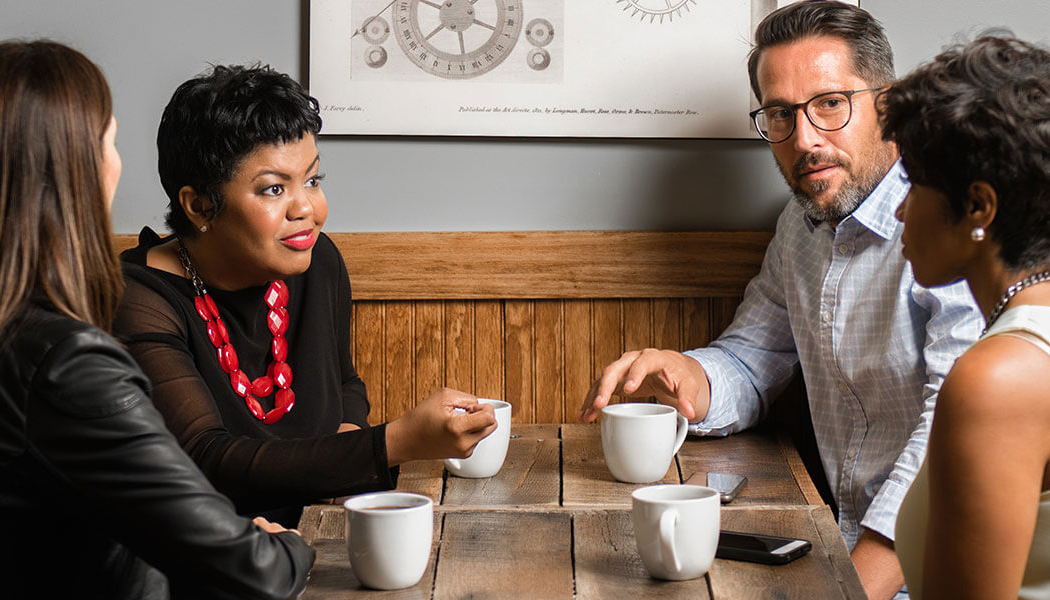
Gender Equity in Business
The Kinsey-Kelley Center for Gender Equity in Business addresses issues of gender inequity, sexual misconduct, and sexual harassment in the workplace.
Read more
Sexual Assault Research Initiative
Solid research on sexual assault, including risk factors for perpetration and victim experience, is the foundation for prevention.
Read more
Disability + Sexual Health
The Kinsey Institute's Disability and Sexual Health Initiative (DASHI) works to understand and improve the intimate lives and sexual wellbeing of people with disabilities and their partners.
Read more
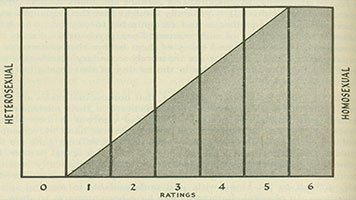
The Kinsey Scale
The Heterosexual-Homosexual Rating Scale, best known as the Kinsey Scale, was developed in 1948. The scale accounted for research findings that showed people did not fit into exclusive heterosexual or homosexual categories.
Read more

Condom use
Condoms are a critical public health strategy for disease and pregnancy prevention. But their effectiveness hinges on more than consistent use. Men and women must also use them correctly. The Kinsey Institute’s Condom Use Research Team (KI-CURT) studies the reasons condoms can fail.
Read more

Relationship Dynamics and Social Life Study
Documenting changes in young women’s behaviors across many domains of social life during the transition to adulthood that may lead to undesired pregnancy, including intimate relationships, sexual behavior, and contraceptive use.
Read more

Effects of Trauma
The Kinsey Institute's Traumatic Stress Research Consortium (KI-TSRC) is pioneering collaborative research with clinicians on long-term changes to physiology, physical health, and emotional wellbeing in the aftermath of trauma.
Read more

Dual Control Model
Developed at the Kinsey Institute, this model of sexual response proposes our sexual decision-making is governed by competing drives of inhibition and excitation.
Read more

COVID-19 Research
Studies investigating the effects of the pandemic on our sexual and romantic lives, family-planning and reproductive strategies, and the long-term effects on our emotional and mental wellbeing.
Read more

Sex FAQs + statistics
Did you know sexual identity may differ from sexual attraction and sexual behavior? Information about these and other topics related to sexuality, gender, and relationships.
Read more

Publications
Browse a list of the published studies, articles, books, and book chapters authored by faculty and staff of the Kinsey Institute.
Read more

More Research
Developments in fields ranging from neuroscience and psychology to biology and gender studies inform questions asked by our scientists. Learn more about the wide scope of our research.
Read more
Kinsey Institute publications
Looking for more? Consult this page for a comprehensive list of publications dating back to the era of Dr. Alfred Kinsey.
Research publicationsSupport Kinsey
Sexuality and intimate relationships are essential to our individual and collective well-being. Your support will help the Kinsey Institute advance research and education in the science of love, sexuality, gender, and sexual health, and give our diverse field of researchers the resources they need to make new discoveries.
Pledge your support